
How to Clean Your Caravan Roof Safely at Home
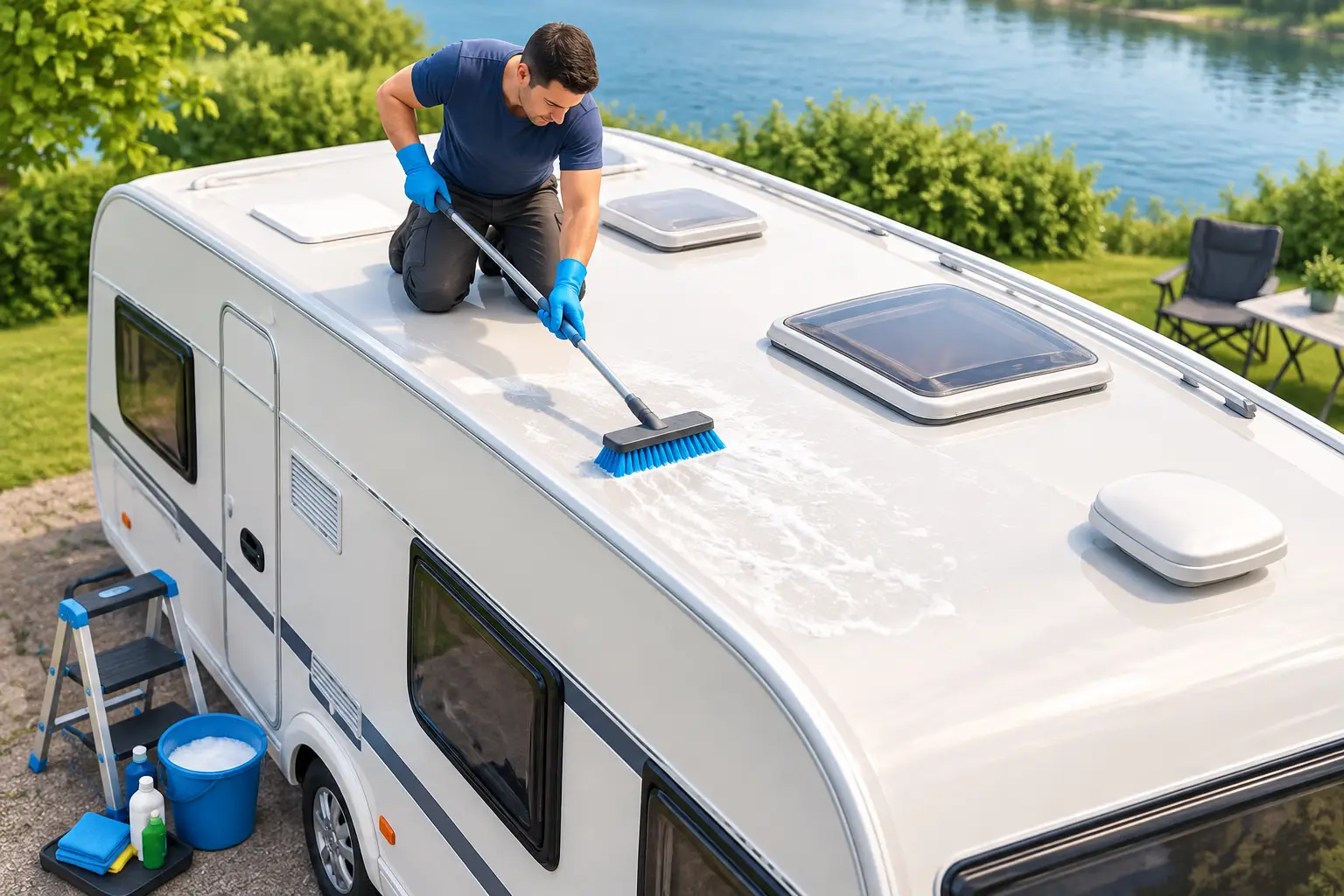
A caravan roof is easy to forget about until green streaks appear down the sides or a close look reveals black spotting around a rooflight. Learning **how to clean caravan roof** properly is not just about making the van look tidier on site. It gives you a regular chance to check the areas most exposed to rain, tree sap, bird mess and UV damage.
The key is to clean gently, work safely and avoid products that can damage seals, acrylic rooflights or the roof surface itself. A few hours of careful cleaning at the start or end of the season can help protect the appearance, condition and long-term value of your caravan.
Before gathering cleaning products, decide whether it is genuinely safe to get onto the roof. Not every caravan roof is designed to be walked on. Even if it feels solid, the surface may have weak points around rooflights, vents, solar panels and joins. Standing in the wrong place can crack a panel, distort the roof structure or cause a nasty fall.
In most cases, a stable step ladder and an extendable soft wash brush are the safer option. Position the caravan on firm, level ground, apply the handbrake and keep the area around the van clear. Have somebody nearby if possible, particularly when using ladders or working around wet ground.
If access is awkward, or the roof is heavily soiled and needs more than a gentle wash, it is sensible to ask for help rather than take risks. This is especially true for older caravans, where the roof construction and seals may be more vulnerable.
You do not need harsh chemicals or specialist machinery for a routine clean. A bucket of warm water, a caravan-safe cleaner or mild vehicle shampoo, a soft sponge, microfibre cloths and a soft-bristled telescopic brush will cover most jobs.
Avoid household cream cleaners, solvent-based products, washing-up liquid, stiff deck brushes and abrasive pads. Washing-up liquid can strip protective finishes, while harsh cleaners may affect sealants and leave acrylic rooflights dull or crazed. A pressure washer is also best avoided. Its force can drive water into seals, vents and joints, particularly on a caravan that has seen a few seasons on the road.
For stubborn algae or black spotting, choose a cleaner specifically labelled as safe for caravan and motorhome exterior surfaces. Read the instructions carefully and test it on a small, inconspicuous area first. The right product depends on the roof material and how much contamination has built up.
Start by rinsing the roof with clean water. This lifts loose dust, grit and dry debris, reducing the chance of scratching the surface as you wash. A normal garden hose with a gentle spray is ideal. Do not direct water hard into rooflight edges, awning rails, aerial fittings or vent surrounds.
Mix your chosen cleaner as directed, then work in manageable sections. Use the soft brush with light, even strokes, allowing the cleaner to do the work rather than scrubbing aggressively. Begin at the highest point and work towards the edges so dirty water does not run back over an area you have already cleaned.
Pay particular attention to the places where grime collects: behind rooflights, around skylights and vents, along the roof-to-wall joins, near the front and rear panels, and beneath any solar panels. These areas need a careful touch. Do not poke at sealant with a brush, screwdriver or fingernail. If it looks cracked, loose or stained, cleaning may reveal a maintenance issue rather than solve it.
Once each section is clean, rinse thoroughly before the solution dries. Residue can leave marks, especially in warm weather. Dry accessible areas with a clean microfibre cloth, then allow the roof to air dry fully before covering the caravan or applying any protective treatment.
Rooflights are often acrylic, which scratches far more easily than the main roof panel. Use plenty of water, a soft sponge and a cleaner suitable for acrylic. Never use a dry cloth to wipe away dust or bird mess, as even fine grit can leave scratches.
Sealant around rooflights, vents, satellite fittings and solar panel mounts deserves a visual inspection every time you clean. Look for gaps, lifting edges, cracking, discolouration or areas where water appears to have tracked underneath. A clean roof makes these signs much easier to spot.
Do not be tempted to smear new sealant over old, failing sealant as a quick fix. Water ingress can travel some distance from the point where it enters, and an untidy repair can make a proper diagnosis more difficult. If you are concerned about a joint or have noticed damp smells, staining or soft internal panels, arrange a professional damp inspection.
Green algae is common on caravans stored beneath trees or left unused through a wet Welsh winter. It can usually be removed with a caravan-safe cleaner and gentle brushing, but it may take two applications if it has been left for a long time. Do not use bleach. It can harm surrounding surfaces and is not a sensible choice near rubber seals and metal fittings.
Bird mess should be softened with water and removed as soon as practical. Leaving it to bake on in sunshine can stain the surface and make it far harder to lift. Place a wet microfibre cloth over the affected area for a few minutes, then wipe gently rather than scraping.
Tree sap can be more challenging. Start with warm water and approved caravan cleaner. If that does not shift it, use a product designed for vehicle sap removal and check that it is suitable for your roof material. Patience is better than force here. Aggressive rubbing can damage the finish more than the sap itself.
A protective treatment can make future cleaning easier and improve water run-off, but it is not essential after every wash. It depends on the age and condition of the caravan, where it is stored and the product you are considering.
If the roof is in good condition, a caravan-specific protectant may help reduce grime adhesion and preserve the finish. Follow the manufacturer’s instructions, apply it only to a completely clean, dry surface and keep it away from areas where a slippery finish would create a hazard.
Be cautious around solar panels. Do not apply polish, wax or protectant to the panel surface, and avoid products that can leave a film which reduces their output. Clean panels with water and a soft cloth or a cleaner approved for solar glass, taking care not to disturb the cables or mounting brackets.
Cleaning day is one of the best times to notice small issues before they become expensive ones. As you work, check that rooflight handles operate smoothly, vent covers are secure, aerials are firm and solar panel brackets show no signs of movement. Look down the caravan sides for streaking from a particular fitting, as this can sometimes point to water sitting where it should not.
Inside the caravan, it is worth checking around rooflights, lockers and high-level cupboards after heavy rain. A musty smell, discoloured wallboard, lifting trim or a soft area can all warrant investigation. A spotless roof does not guarantee that a caravan is watertight, but regular cleaning makes changes easier to spot.
For owners in Pembrokeshire, Cardiganshire and Carmarthenshire, Tenby Caravan Services can help with professional inspections, damp concerns and repairs where a roof fitting or seal needs attention. A proper repair should protect the caravan’s structure, not simply hide the symptoms for a short while.
A clean roof will always look better when you pull onto site, but the bigger benefit is knowing what is happening above your head. Make the job part of your regular caravan care, take your time around seals and rooflights, and act early if anything does not look right.
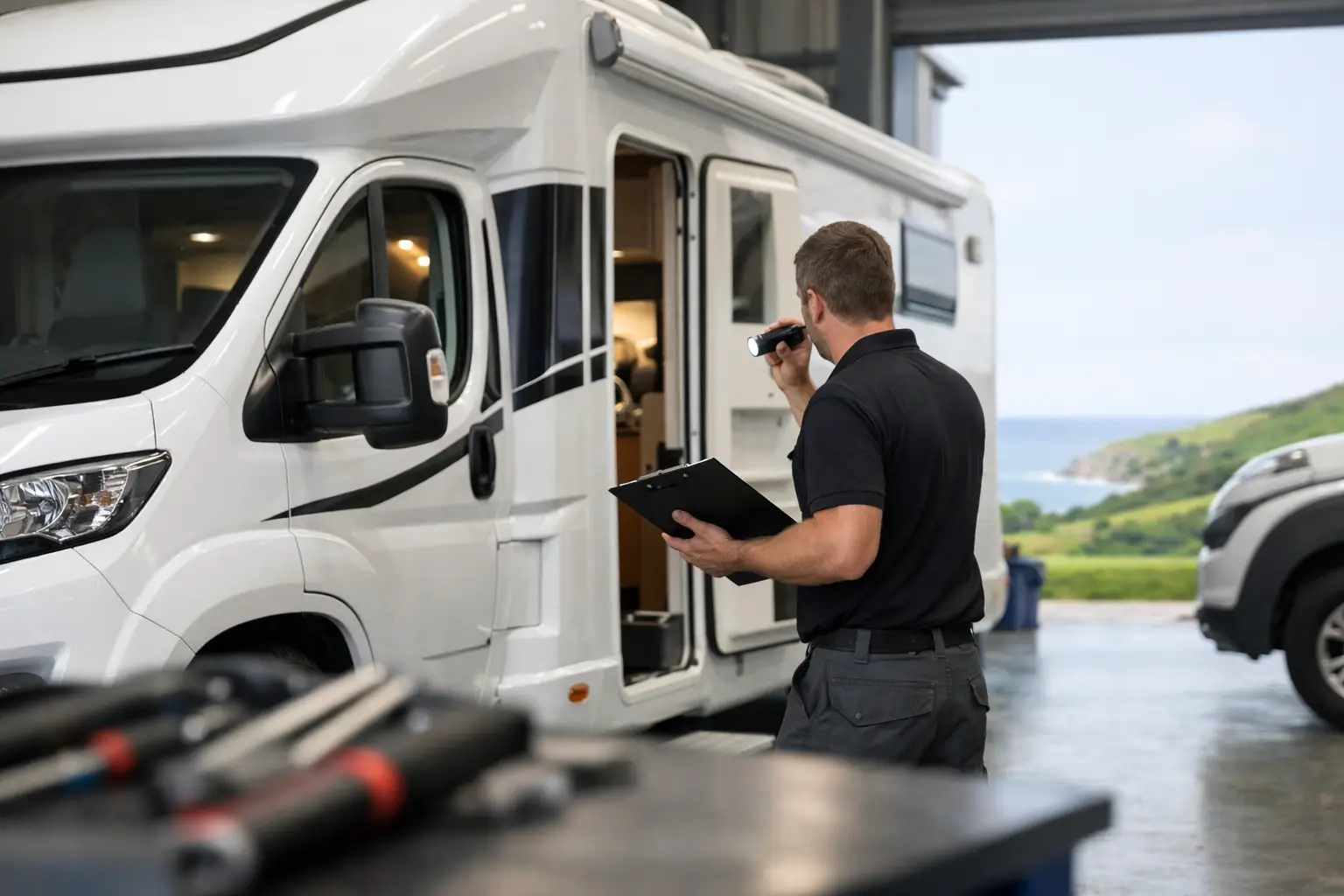
A thorough motorhome habitation service covers essential gas, electrical, and damp safety checks.
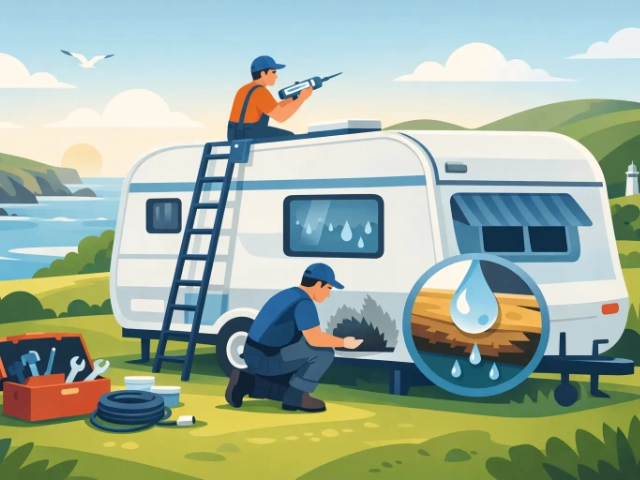
Professional caravan damp inspection and repair services across West Wales provided by local experts.
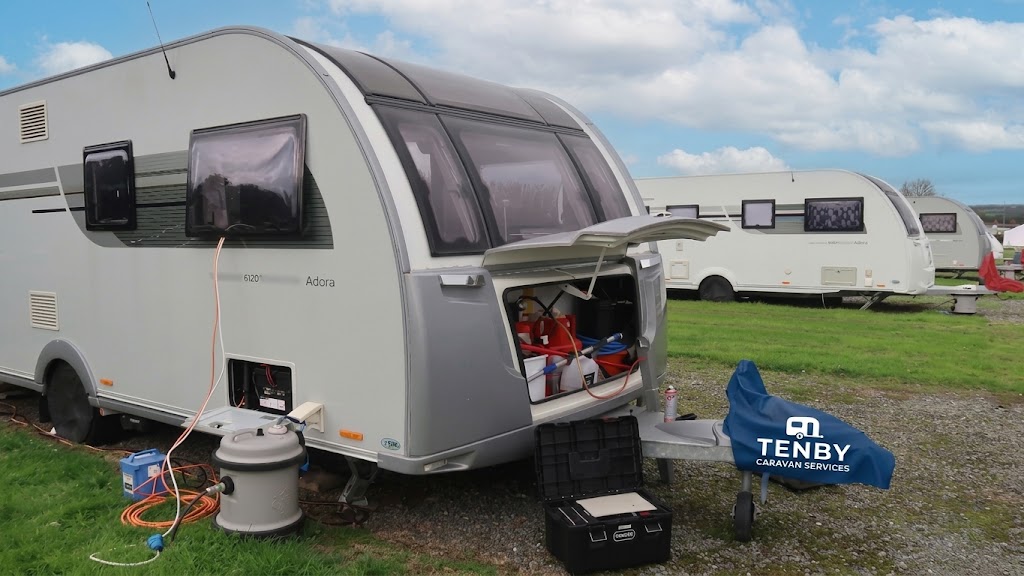
The Benefits and Convenience of Using An Approved Mobile Leisure Vehicle Service Workshop.