
A Complete Guide to Mobile Caravan Servcing
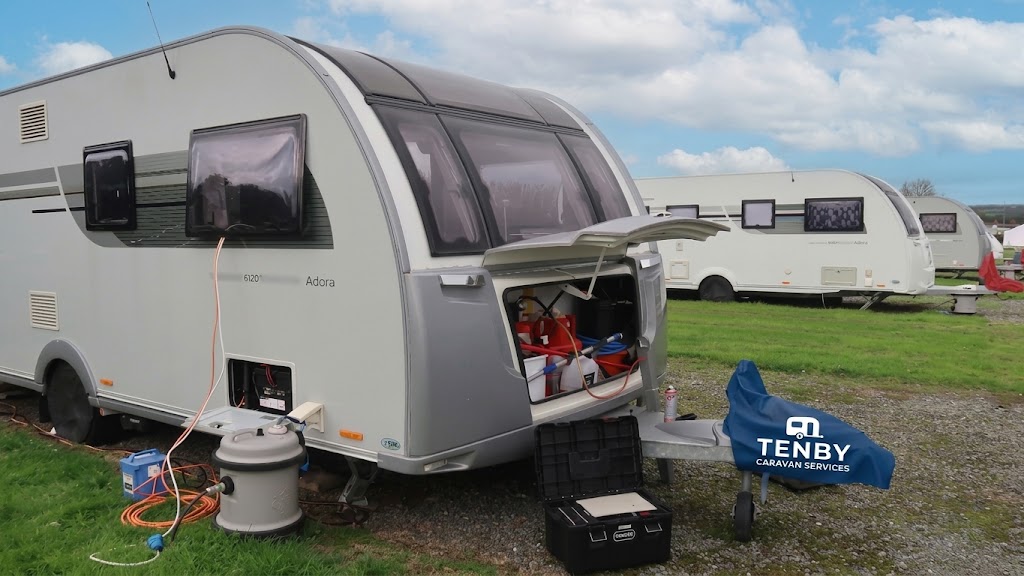
A mobile workshop can make looking after a caravan, motorhome or camper van far less disruptive. Instead of arranging a long trip to a large service centre and leaving your vehicle somewhere unfamiliar, you can book experienced help around your vehicle, your plans and the work it genuinely needs. For owners who want to spend more time touring and less time worrying about maintenance, that practical difference matters.
It is not simply about convenience. Leisure vehicles combine road-going mechanical components with living accommodation, gas appliances, water systems, electrical equipment and carefully sealed bodywork. Each area needs proper attention. A good mobile service gives you direct access to qualified technicians who can explain the job clearly, carry out work to recognised standards and help you make sensible decisions about your vehicle.
What a mobile workshop can do for your vehicle
A mobile workshop is an appointment-led service that brings specialist caravan, motorhome and camper van expertise to a suitable location. Depending on the job and access available, that may be at home, in storage, at a pitch or at a dedicated workshop base. The important part is not the van or the premises itself. It is the standard of inspection, equipment and workmanship behind the service.
For routine habitation servicing, a technician can inspect the systems that make the accommodation safe and comfortable: gas, electrics, water, heating, ventilation, appliances, windows, rooflights and seals. This is separate from the vehicle’s roadworthiness requirements, although motorhomes also need regular attention to their vehicle-side servicing, tyres, brakes and running gear.
Caravans have their own priorities. Brakes, hitch assemblies, tyres, wheel bearings, lights and chassis components all deserve careful checks alongside the habitation area. A camper van may need a blend of both, particularly where a conversion includes leisure batteries, chargers, solar equipment, diesel heating, gas lockers or bespoke cabinetry.
Repairs and upgrades are another strong reason to use a specialist. A fridge that will not cool properly, a faulty water pump, damp around a window, a damaged locker catch or a temperamental battery charger can quickly take the enjoyment out of a trip. Equally, an accessory fitted properly can make every journey easier, whether that is a motor mover, solar panel, reversing camera, awning rail, additional socket or a more practical conversion layout.
Convenience is useful, but standards come first
The best reason to choose a mobile service is not that it saves a journey. It is that the work is carried out carefully, with the right knowledge of leisure vehicles. Gas and electrical systems are not areas for guesswork, and a tidy-looking repair is not necessarily a safe or lasting one.
An Approved Workshop service centre follows recognised industry standards for servicing and repair. That can be particularly valuable if your vehicle is under warranty, as manufacturer requirements may specify the type of annual service, the records required and the qualifications expected of the workshop. Always check the terms of your particular warranty rather than assuming any service stamp will do.
Good paperwork matters after the appointment as well. A clear report gives you a record of what has been checked, what has been repaired and what may need attention in the future. It can support warranty requirements, make ownership easier to manage and offer reassurance to a future buyer. A well-maintained caravan or motorhome is generally easier to sell than one with an uncertain history.
When mobile servicing is the sensible choice
Many jobs are well suited to a mobile workshop. Annual habitation servicing, appliance diagnosis, minor repairs, accessory fitting and inspections can often be completed without you having to move the vehicle. This is especially helpful if your caravan is stored at home, if your motorhome is awkward to take through town, or if you have limited time before a planned holiday.
It also makes conversations easier. You can show the technician exactly what has been happening, such as a heater cutting out after ten minutes or water appearing beneath a cupboard after towing. Those small details often help identify a fault more quickly than a brief description at a reception desk.
There are limits, and a trustworthy specialist will be upfront about them. Major structural repairs, extensive damp work, complicated conversion projects or jobs requiring lifting equipment may be better completed in a fully equipped workshop environment. Weather, safe access, mains power and working space can also affect what is practical on the day. Mobile does not mean every job should be done on a driveway. It means the service is planned around the safest and most effective way to complete it.
Preparing for a service appointment
A little preparation helps the appointment run smoothly and gives the technician the best chance of finding intermittent faults. Make sure there is safe access around the vehicle, particularly to service lockers, battery compartments, gas lockers and external vents. If your caravan or motorhome is in storage, confirm that the site permits work to be carried out there before booking.
It is also worth making a short note of anything that has concerned you. Include when the problem occurs, whether it happens on gas, mains electric or battery power, and whether it began after towing, heavy rain or a period in storage. Bring together any previous service paperwork, appliance manuals and warranty information if you have them.
Before a habitation service, avoid emptying every cupboard just for the sake of it, but do make key areas accessible. Technicians need to inspect equipment rather than work around piles of holiday gear. If you have fitted an aftermarket accessory yourself, mention it. Even a small change to wiring, gas storage or the battery system can be relevant during an inspection.
The small checks that prevent larger repairs
Professional servicing works best alongside regular owner checks. You do not need to dismantle appliances or test gas systems yourself, but keeping an eye on early warning signs can save money and prevent a cancelled break.
Pay attention to new smells, staining, soft wallboard, condensation that seems excessive, cracked sealant, unexplained battery drain and changes in appliance performance. Check tyre condition and pressures before towing or travelling, and do not overlook the spare if you have one. After winter storage, test lights, water flow, heating and charging systems well before departure day.
Damp deserves prompt attention. Water can travel away from the point where it enters, so the first visible mark may not be the full extent of the issue. Catching failed sealant or a leaking rooflight early is usually much simpler than dealing with damaged timber, insulation and internal finishes later.
Choosing a workshop you can talk to
Technical credentials should be high on the list, but so should communication. You should feel comfortable asking what has been found, what work is urgent and what can reasonably wait. A helpful workshop will not pressure you into unnecessary extras, nor will it dismiss a concern because the fault does not appear immediately.
Ask whether the technician has experience with your type of vehicle and the systems involved. Caravan, motorhome and camper van work overlaps, but each has its own common faults and layouts. For conversion work, look for someone willing to discuss how you actually use the van. A weekend surfer, a couple taking extended tours and a family travelling with bikes may need very different storage, power and sleeping arrangements.
At Tenby Caravan Services, the aim is to combine approved standards with the straightforward, local service owners value. For customers across Pembrokeshire, Cardiganshire and Carmarthenshire, being able to discuss a repair or upgrade with the person carrying out the work can make the whole process feel more manageable.
Your leisure vehicle is there for the places you want to go, not for the time it spends waiting for attention. Book servicing early, raise small concerns before they grow, and give yourself enough time to have the work checked properly before the next trip.

Tenby Caravan Services is approved with two of the main leisure vehicle warranty providers in the UK.
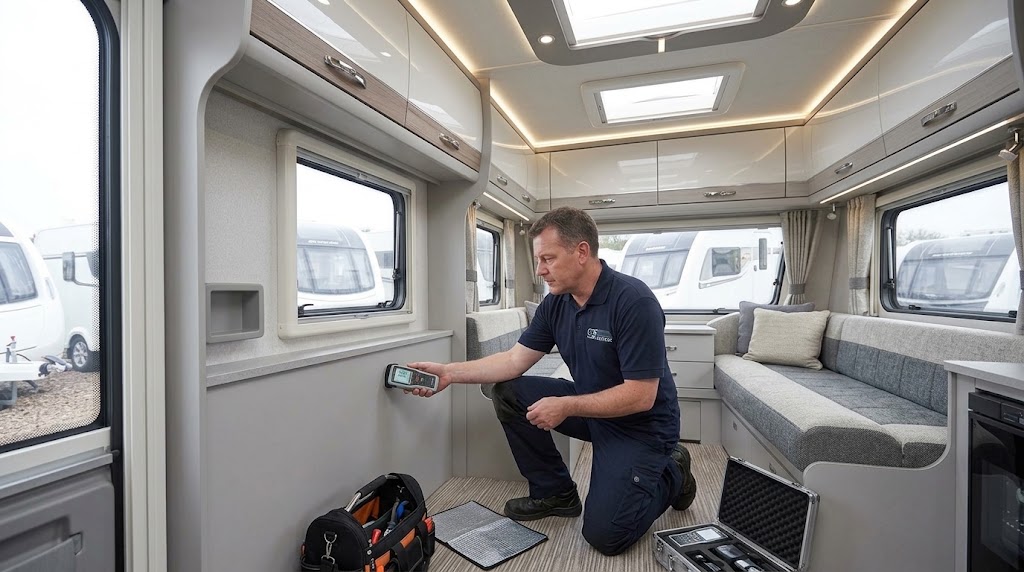

Why is it important to keep your leisure battery in tip top condition and how can we check the condition for you?