
Motorhome Habitation Servicing Guide
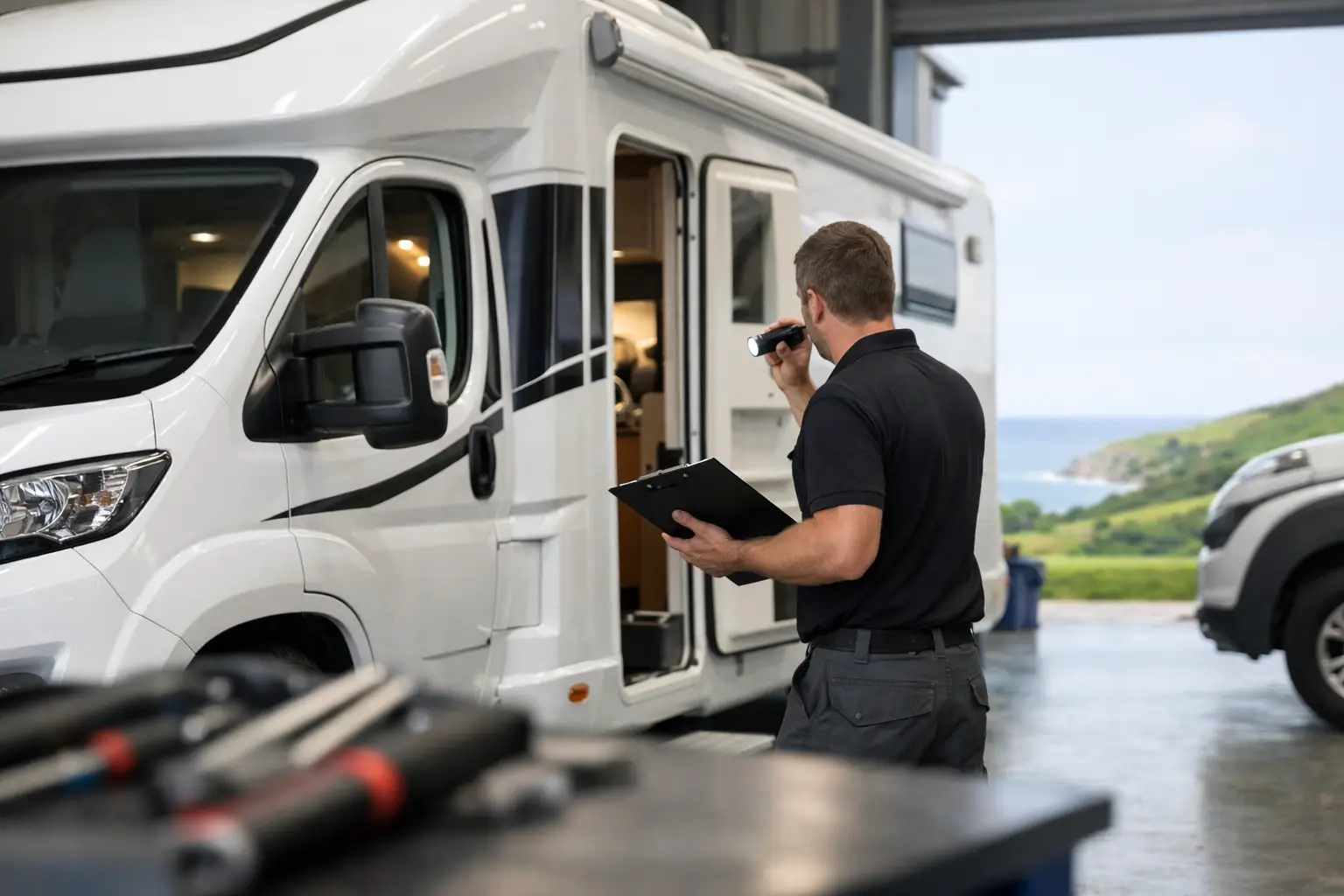
A failed fridge on the first night away, a soft patch in a locker floor, or an LPG issue that only shows up when you finally park up - these are the sort of problems that remind owners why a proper motorhome habitation service West Wales workshops provide is not just another box to tick. Habitation servicing is about the living side of your vehicle: the parts that keep it safe, usable and comfortable when you are away from home.
For many owners, especially if the motorhome is used for regular breaks around Wales and beyond, annual habitation servicing is one of the simplest ways to avoid bigger repair bills later. It helps catch damp early, checks that LPG and electrical systems are working as they should, and gives you a clearer picture of the vehicle’s overall condition. If you rely on your motorhome for weekends away, touring holidays or longer trips, that matters.
A habitation service is different from a mechanical service. Your engine, brakes and road-running gear need attention too, but habitation work focuses on the coachbuilt or living area. That means the systems you use every time you stop for the night - LPG, electrics, water, appliances, seals, ventilation and the general condition of the interior structure.
A thorough service usually includes inspection and testing of the petrol system, checks on 240V and 12V electrics, operation of appliances such as the fridge, heating and water heater, and an assessment of water ingress risk. Damp testing is one of the biggest reasons owners book in. Small seal failures around windows, rooflights or joints can lead to expensive structural repairs if they are missed for too long.
Doors, lockers, vents and safety devices also need attention. Smoke alarms, carbon monoxide alarms and fire equipment are easy to overlook when a van has been standing over winter. A proper inspection makes sure these basic but vital items are not forgotten.
West Wales weather is hard on leisure vehicles. Rain, coastal air, winter storage and periods of inactivity all take their toll. Even a well-looked-after motorhome can develop issues simply through age, use and exposure. Sealant dries out, trims move slightly, and fittings that seemed fine last season can start to show wear.
That is why a local workshop matters. When you can speak directly to the people doing the work, it becomes easier to ask sensible questions and get practical advice rather than a rushed handover. For many owners, that local relationship is worth a great deal. If something needs monitoring rather than immediate replacement, an honest workshop will tell you that. If something is unsafe, they should be equally clear.
There is also the convenience factor. A nearby mobile approved workshop means less hassle when annual servicing is due, and it gives you somewhere to return for follow-up repairs, accessory fitting or further checks before a big trip. That continuity is useful, particularly with older motorhomes where history and previous repairs matter.
Most people worry first about obvious failures - a heater that will not fire up or a charger that stops working. In reality, damp is often the costliest problem because it can stay hidden for months. By the time staining, softness or a musty smell become obvious, repair work may already be more involved.
A habitation service helps pick up warning signs early. Damp meter readings around known risk areas, visual inspection of joints and seals, and an experienced eye for changes in wallboards or flooring can make all the difference. Not every elevated reading means major structural trouble, but it does mean you need a proper assessment. Sometimes the fix is straightforward resealing and monitoring. Sometimes timber or internal panels have already suffered. It depends on how long water has been getting in and where it has travelled.
This is where professional judgement matters. Owners are often tempted to patch visible sealant themselves, but surface work does not always deal with the actual entry point. Done badly, it can also make later repair work harder.
The living systems in a motorhome are what make it enjoyable to use, but they are also where safety becomes non-negotiable. LPG appliances need to operate correctly. Electrical systems need to be tested properly. Chargers, hook-up circuits, batteries and control panels all need to work together as intended.
If your fridge seems temperamental, the heater is cutting out, or sockets are not behaving as expected, the issue might be simple - but it might not. Fault-finding on leisure vehicles can be fiddly, especially where multiple systems interact. A professional habitation service gives you a clear starting point. It checks what is working, what is not, and what may need repair before it becomes a bigger inconvenience.
For newer vehicles, servicing also helps support warranty requirements where applicable. For older ones, it provides reassurance that the essentials are safe and serviceable. In both cases, proper records add value.
Owners sometimes ask whether a habitation service is worth it if “everything seems fine”. The short answer is yes, because many of the most important faults are not obvious during casual use. But the quality of the workshop makes a real difference.
A good service should not feel like a rushed tick-sheet exercise. You want technicians who understand different makes and layouts, know common failure points, and will explain findings in plain English. There is a big difference between being told that “damp has been found” and being shown where, how serious it appears, and what the sensible next step is.
That practical, straightforward approach is what many owners are really looking for. Not sales talk. Not scare tactics. Just honest advice from people who work on caravans, motorhomes and camper vans every day.
For most owners, annual servicing is the right rhythm. If your motorhome spends part of the year in storage, spring is a sensible time to book in so issues can be sorted before the main touring season. Others prefer autumn, especially if they want a post-season check before winter lay-up.
There is no single perfect month. It depends on how you use the vehicle and how busy local workshops are. What matters is not leaving it until the week before a planned holiday, when repair slots may be limited and parts lead times can become a problem.
It is also worth booking sooner if you notice warning signs. Persistent condensation in unusual places, a change in floor firmness, tripping electrics, water leaks, poor appliance performance or any smell of LPG all justify prompt attention.
Trust matters with leisure vehicles because you are handing over something that is both transport and living space. An approved workshop is a sensible starting point, as it shows commitment to recognised standards and proper procedures. Beyond that, look for clear communication, experience across different vehicle types, and a workshop that is willing to talk you through options.
Some jobs are straightforward. Others turn into a choice between repair, upgrade or careful monitoring. A good local specialist will explain the trade-offs. For example, replacing an ageing appliance may be better value than repeated repairs, but not always. Resealing a problem area early can save a lot of money, but if water has already spread, deeper remedial work may be needed.
That is why many owners in the area choose a workshop such as Tenby Caravan Services - not only for the technical side, but for the chance to deal with people who are approachable, experienced and easy to talk to.
People often speak about servicing in terms of safety and resale value, and both are important. But there is another reason not to put it off: your time away is supposed to be enjoyable. A motorhome that has been properly checked is far less likely to let you down when you are parked on a site, miles from home, trying to get the kettle on in the rain.
Annual habitation servicing will not prevent every issue. Older vehicles especially can still throw up surprises. But it shifts the odds in your favour. It helps you travel with more confidence, keeps small faults from becoming expensive ones, and gives you a better understanding of the condition of the vehicle you rely on for your holidays.
If you have been meaning to get yours checked, a friendly conversation with a local workshop is often the best place to start.
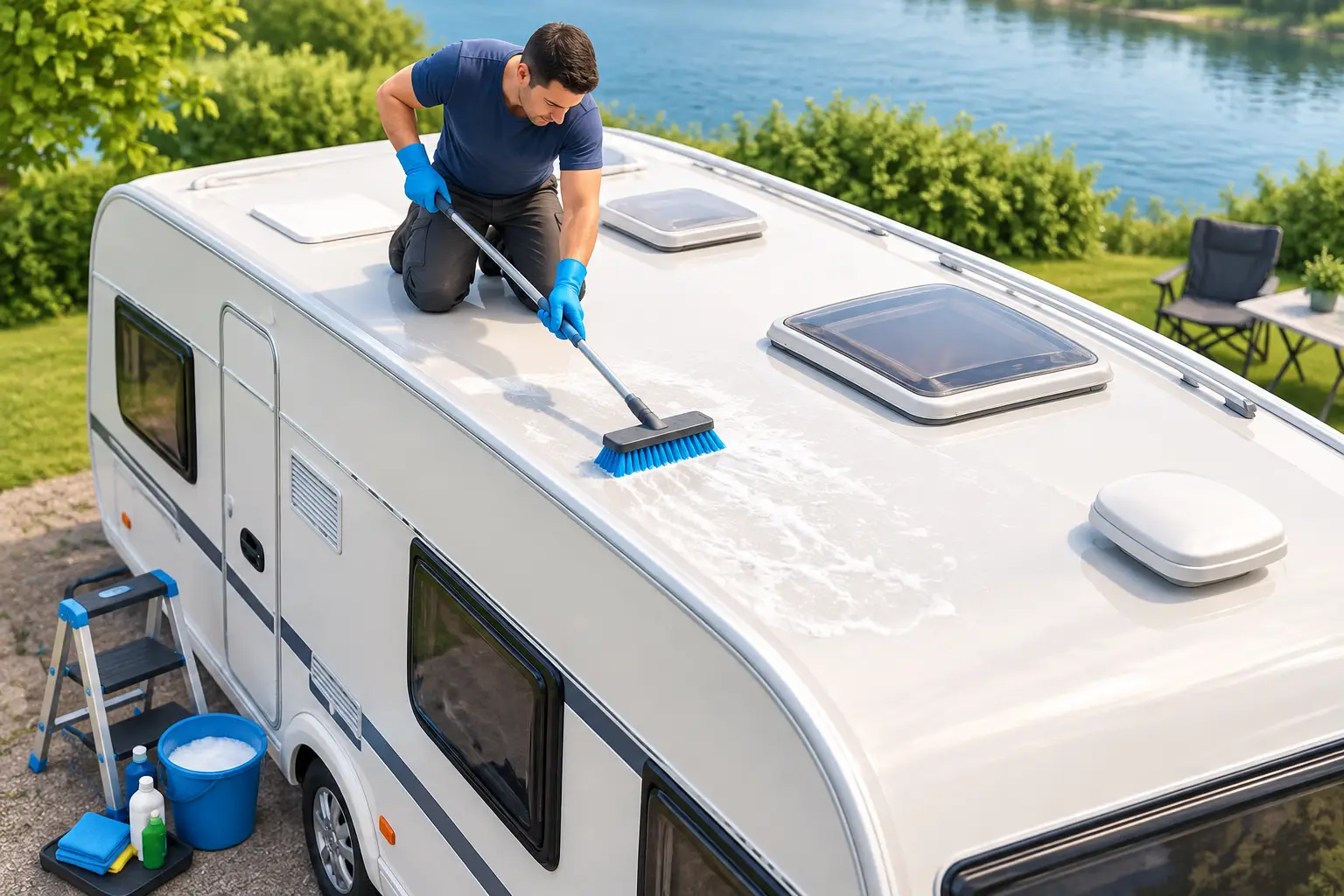
Regular roof cleaning protects seals, prevents costly water leaks, and maintains caravan value.
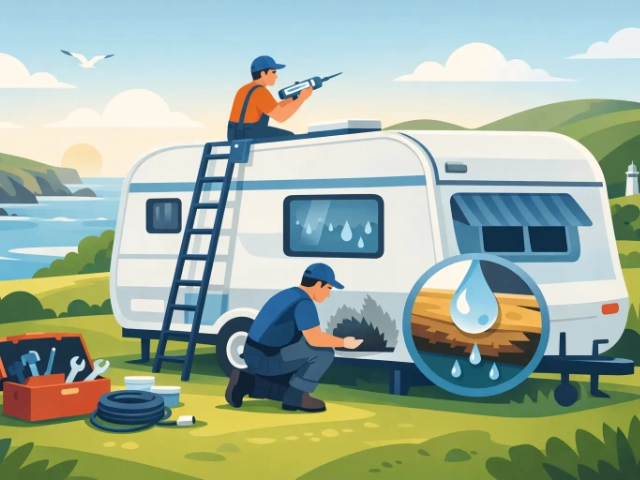
Professional caravan damp inspection and repair services across West Wales provided by local experts.
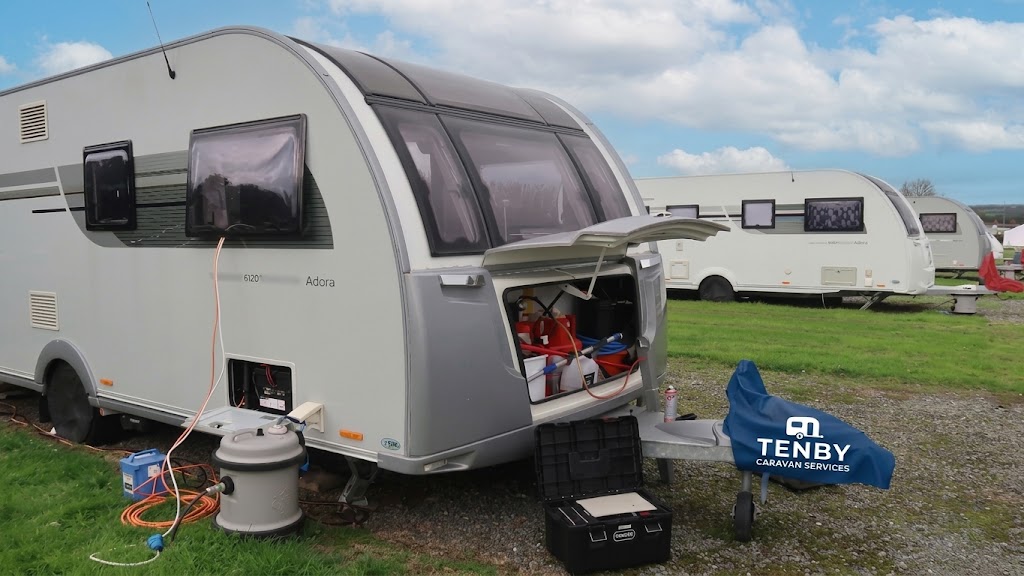
The Benefits and Convenience of Using An Approved Mobile Leisure Vehicle Service Workshop.